
Skip to contentFree NetRay WISE™ warehouse assessment — get your score, AI insights and PDF in 10 minFree warehouse assessment →
NetRayDiscuss a workflow
Operator scanning a palletised load at a cold store door, with a refrigerated truck at the dock behind.
Industry · Cold Chain & Cold Storage

Warehouse hardware for cold chain

Low temperatures and frequent zone transitions can affect battery runtime, scanning performance and touchscreen usability. NetRay supplies cold-rated PDAs, industrial scanning, DWS and packing verification hardware for cold chain warehouses, freezer operations and temperature-controlled logistics.

Why the freezer breaks ordinary warehouse tech

Cold storage adds physics to every operational problem: low temperatures, condensation at zone transitions, and staff working in gloves and freezer suits. The recurring failures:

Batteries die in the cold

Standard lithium batteries lose capacity fast below freezing, so devices that last a full shift in ambient conditions can die mid-morning in the freezer.

Scan windows fog up

Moving from sub-zero storage to an ambient dock coats the scan window and screen in condensation, and there are no reads until it clears.

Hardware attrition

Consumer and standard industrial devices cycled in and out of cold rooms fail early, so the device budget never stabilizes.

Paper in the cold room

Pick lists and temperature logs stay on paper, filled in with gloves and typed into systems later, with errors creeping in at both ends.

Traceability gaps

Lot, expiry and temperature-zone data captured inconsistently, discovered during a client or regulatory audit.

Slow dock turnarounds

Every extra minute at the dock is temperature exposure, and manual measuring and re-labeling stretch exactly that window.

Match the device to the zone

A cold chain site is really three environments, and equipment that works in one fails in another. The fix is zone-appropriate hardware with data flowing to one system:

−40°C to −18°C · Deep freezeFreezer storage & pickingCold-rated PDAs with low-temperature batteries and heating defog scan engines; scan-based picking replaces paper lists. The PDAs on this page operate down to −25°C or −30°C. Below −30°C, confirm equipment suitability separately.
0°C to 8°C · ChillerChilled storage & VASCold-capable handhelds for putaway, replenishment, lot and expiry capture at the shelf.
Ambient · Dock & dispatchReceiving, packing, shippingDWS data capture, label printing and packing video at the dock, keeping cold-room door time short.

Select devices by their operating rating, not their storage rating. The EP030 is rated for operation down to −25°C and the K8 Cold down to −30°C. Applications below −30°C require separate equipment suitability confirmation.

NetRay solutions for cold chain warehouses

Cold-rated where it must be, standard where it can be, with one data flow across zones:

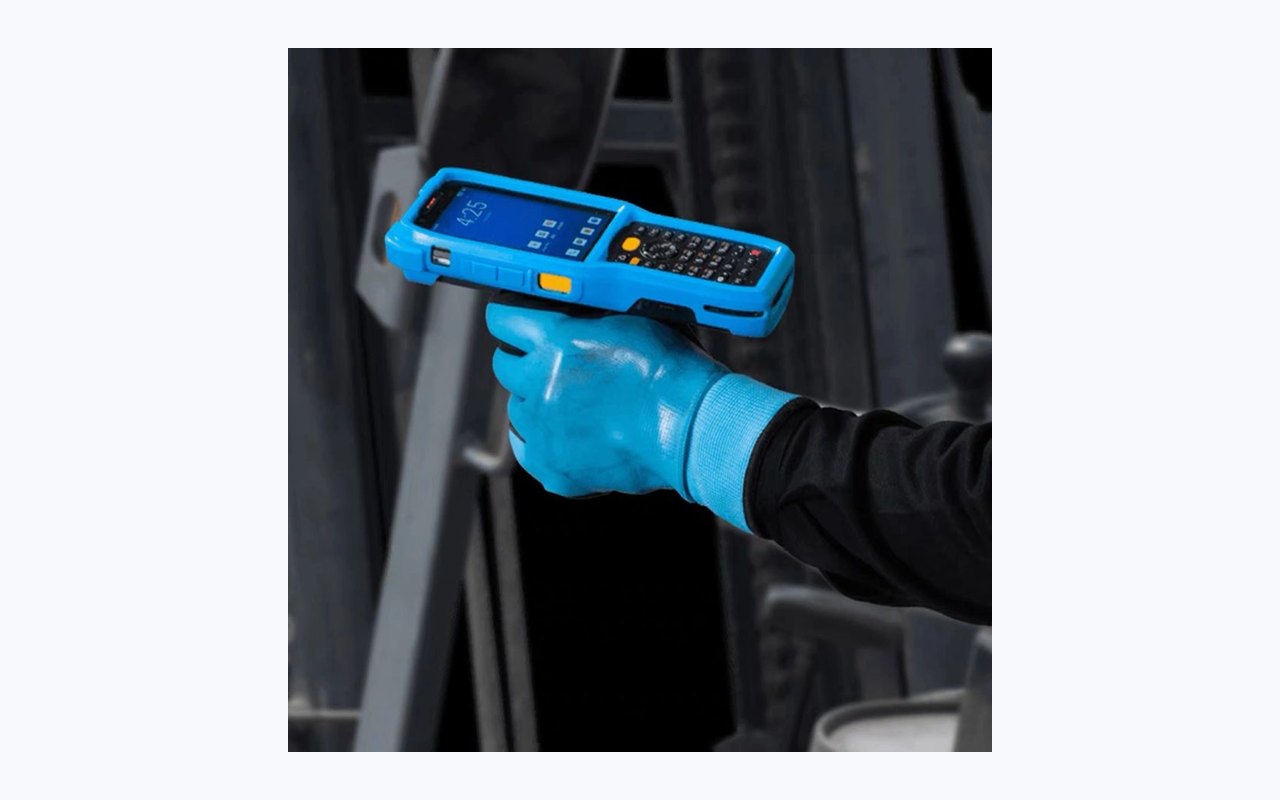
Worker in insulated glove operating an iData K8 Cold PDA in a cold storage warehouse

Cold Storage PDAs

Two cold storage PDA options for different freezer requirements: the NetRay EP030 (operating to −25°C) and the iData K8 Cold (operating to −30°C, with glove-mode touch and automatic scan-window and screen defog). Both are storage-rated to −40°C to 70°C. Built for freezer picking, putaway and stock counts.

Explore cold storage PDAs
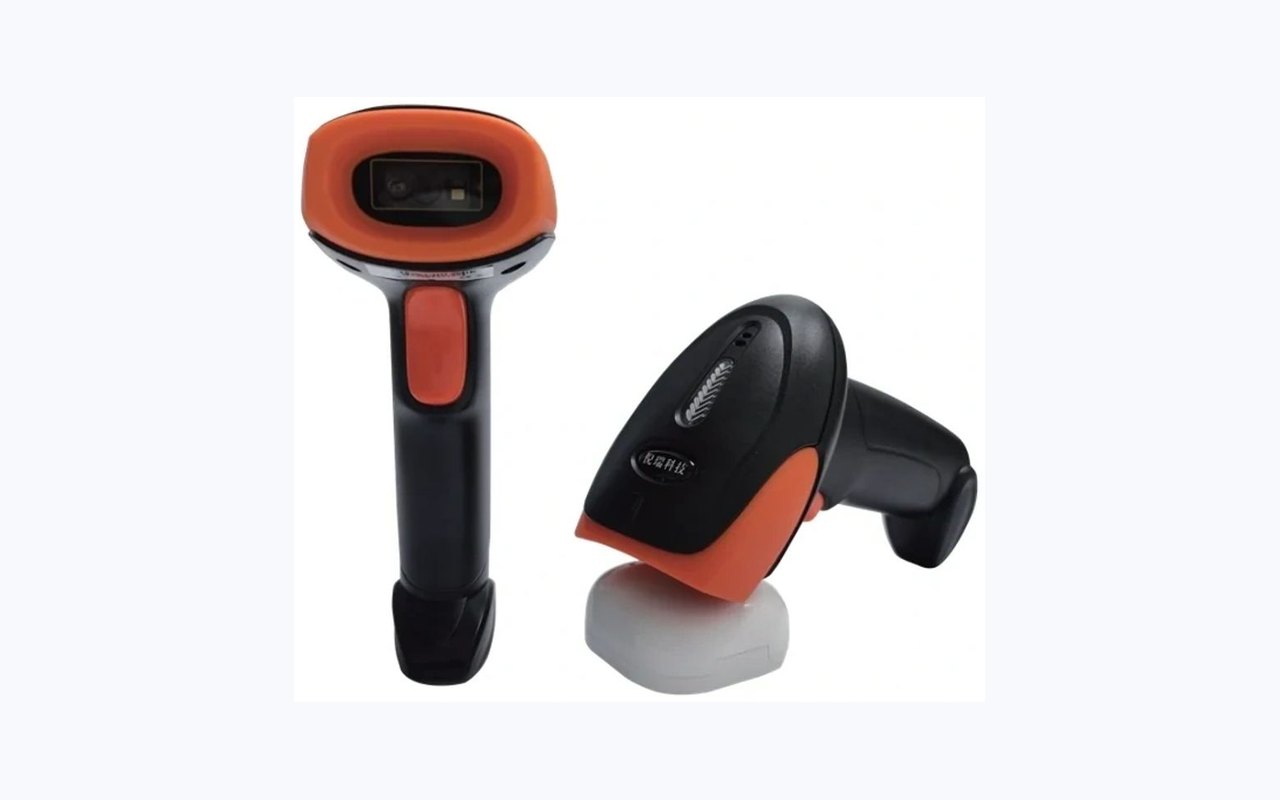
NetRay NX1 barcode scanner for cold chain dock receiving station

Dock Scanning Stations

Wired and wireless imagers at receiving and dispatch, so lot, expiry and order references are scanned instead of hand-written while product waits at the dock.

Explore scanners
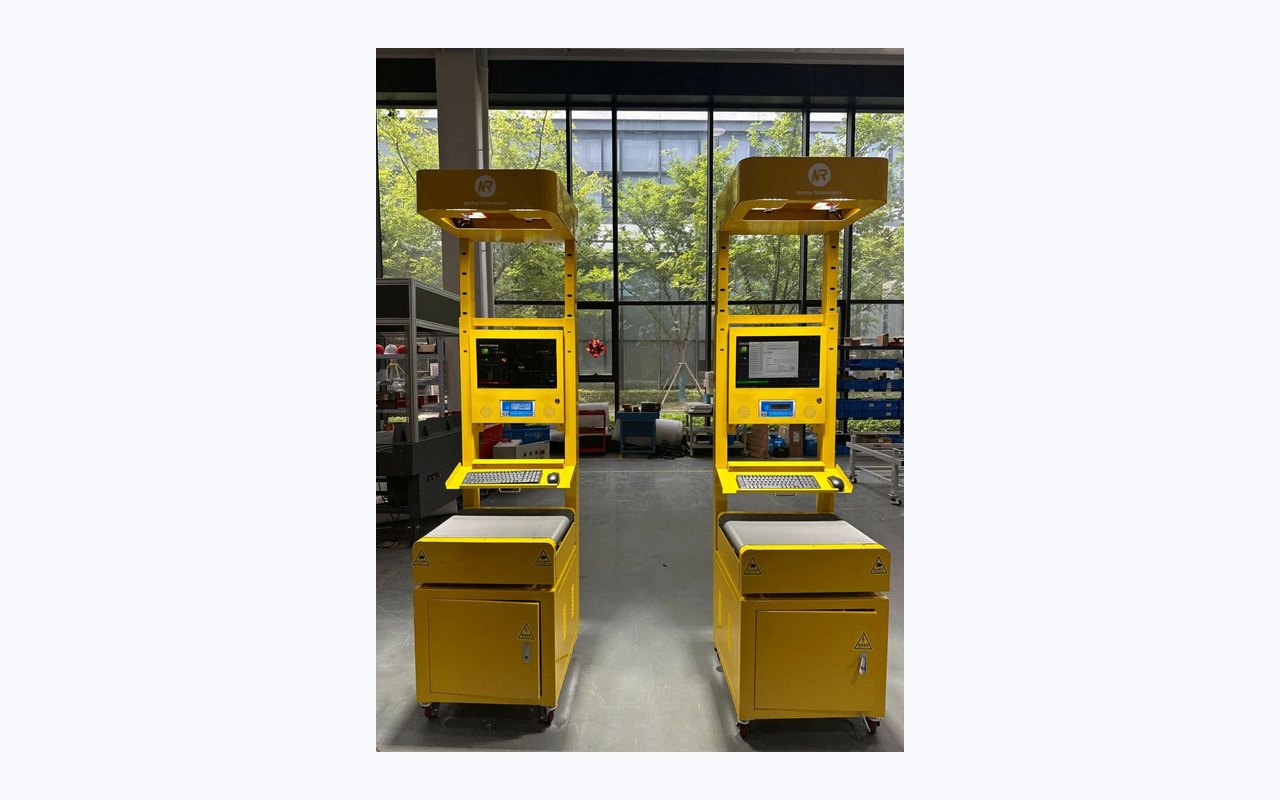
NetRay static DWS capturing carton dimensions and weight at cold storage dock

DWS at the Dock

Capture dimensions, weight and barcode for cartons and pallets at the ambient dock, recording billing and hand-off data in one pass and keeping cold-room exposure time short.

Explore DWS systems
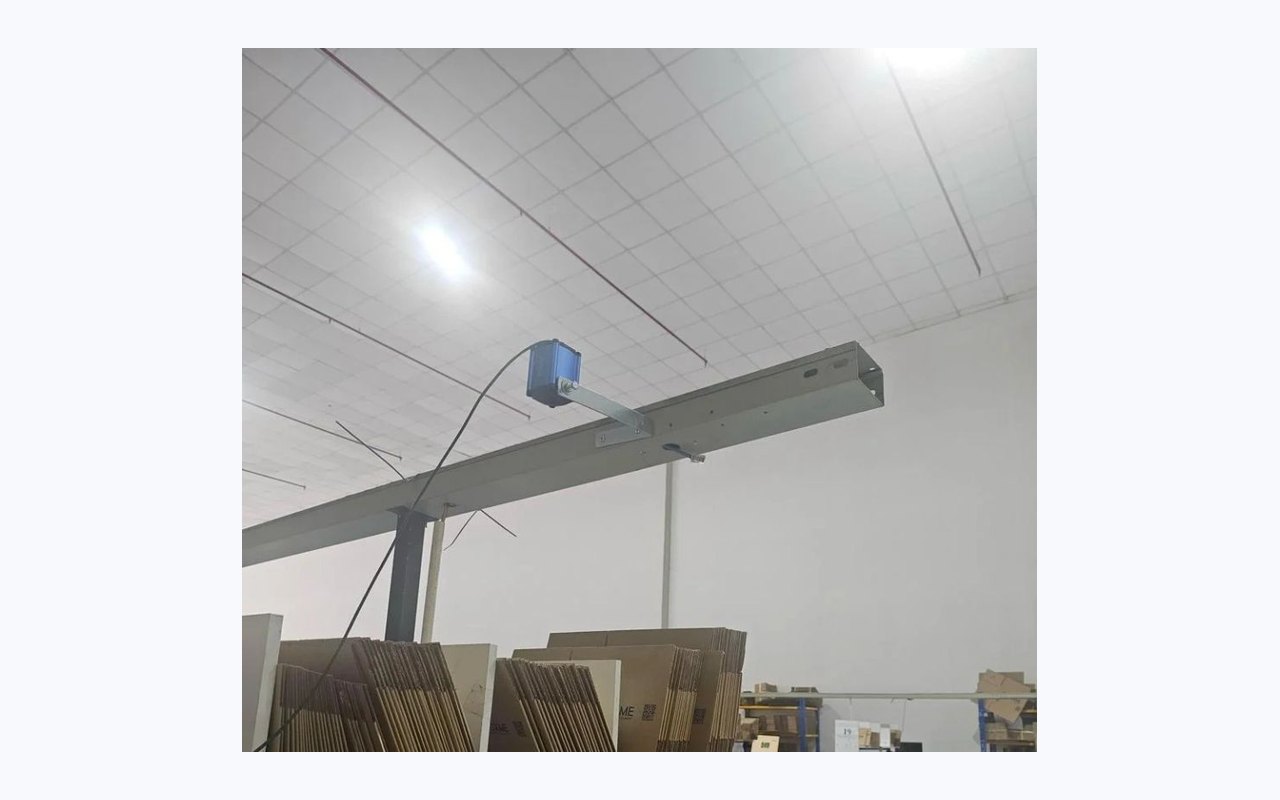
NetRay W8 camera mounted above dispatch station for cold chain order verification

Dispatch Verification Video

W8 camera + PackEye records packing and dispatch activity, indexed by order or waybill reference, to support shipment investigations. Video records do not replace temperature monitoring or cold-chain compliance records.

Explore packing verification

Cold-rated device specifications

Two cold storage PDA models cover most freezer operations, each with a different operating range and feature set:

ModelNetRay EP030iData K8 Cold
Best fitCompact, keypad-led scanningGlove-operated freezer & multi-zone workflows
Operating temp.−25°C to 55°C−30°C to 50°C
Storage temp.−40°C to 70°C−40°C to 70°C
OS / screenAndroid 9 · 3.5-inch capacitiveAndroid 12 GMS · 4-inch IPS HD
Battery4900mAh, removable6700mAh, removable
DefogAuto heating: scan windowAuto heating: scan window & screen
ProtectionIP67 · 2.0m dropIP68 · 1.8m drop

Operating and storage ratings are different figures. The right model also depends on charging location, zone-transition frequency, WMS application and shift pattern.

Cold chain & cold storage FAQ

What temperature range do the cold storage PDAs support?
The NetRay EP030 operates from −25°C to 55°C, and the iData K8 Cold operates from −30°C to 50°C (the K8 Cold should not be charged at low temperature). Both models specify a storage range of −40°C to 70°C and use removable batteries (4900mAh and 6700mAh standard respectively). Actual shift runtime depends on temperature, scanning frequency, wireless activity and screen use.
Why do standard PDAs fail in freezer warehouses?
Two main reasons: standard lithium batteries lose usable capacity quickly below freezing, and moving between freezer and ambient zones causes condensation on scan windows and screens. Cold-rated devices address both with low-temperature battery chemistry and heating defog scan engines.
How do devices handle moving between freezer and ambient zones?
Zone transitions are the hardest moment for hardware, since that is when condensation forms. The EP030 uses a heating film in its scanning assembly to help reduce condensation at the scan area; the iData K8 Cold adds automatic heating for both the scan window and display. For workflows with constant in-and-out movement, we review your zone layout before recommending a device mix.
Can this support lot, expiry and traceability requirements?
Scan-based capture replaces hand-written logs, so lot numbers, expiry dates and order references are recorded at the point of work. How the data feeds your WMS or compliance reporting depends on your system environment. Integration is available through configurable outputs or API, subject to project requirements.
Where should a cold storage operation start with automation?
Usually with handheld devices, since they touch every workflow and the failure cost of ordinary hardware in the freezer is immediate. Many customers start with cold-rated PDAs for the freezer team, then add dock scanning, DWS or dispatch video as the next measurable step.

Tell us about your cold chain operation

Share your temperature zones, WMS environment, user count and current device problems. NetRay will recommend zone-appropriate hardware, no obligation.

Add cold-chain operating details (optional — speeds up the answer)

We will reply with a suggested configuration direction, the technical details we still need from you, and whether a demonstration makes sense. If something is not a fit, we will say so.

We use your details to respond to your enquiry. See our Privacy page.