
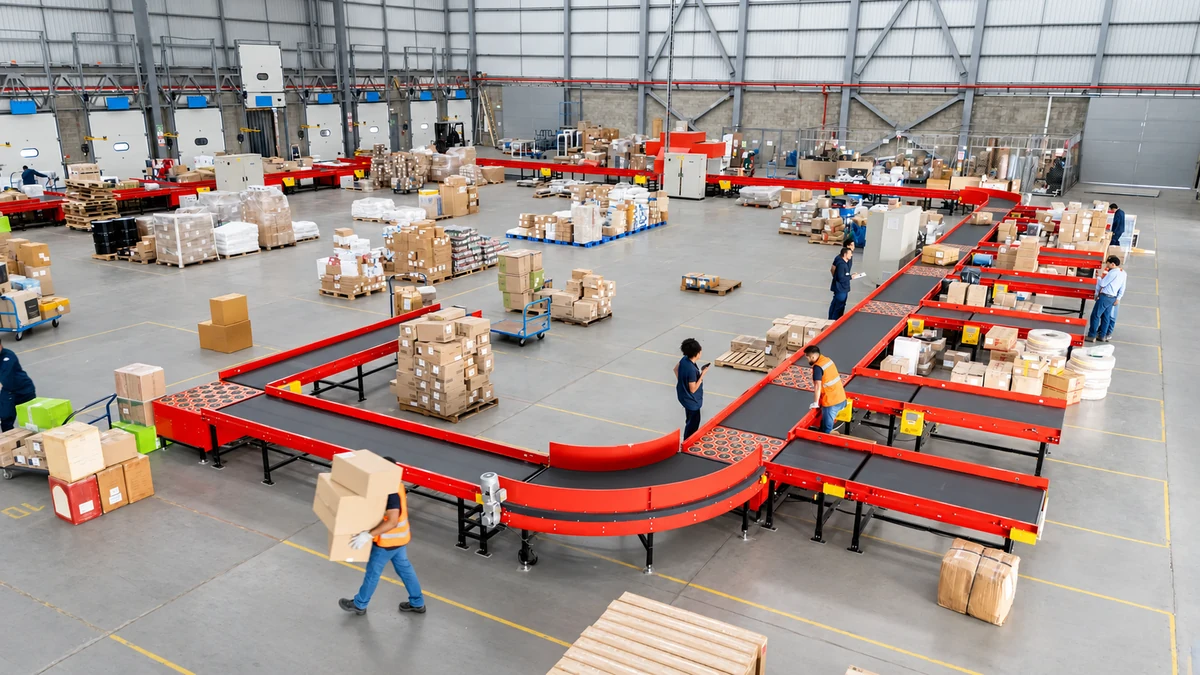
Wheel sorter
Swivel-wheel modules guide parcels into designated lanes based on barcode data and your sorting rules. Configure the system around your courier allocation, destination groups and warehouse workflow.
Explore sorting systems
Automate parcel induction, route sorting, exception handling and loading confirmation with right-sized systems for courier and express operations.
Hub problems compound daily: every mis-sort becomes a re-handled parcel, and every peak evening tests the same manual sort tables. The patterns we see most:
Rows of staff sorting by hand while inbound keeps arriving. Throughput is often capped by headcount rather than demand alone.
Parcels on the wrong vehicle or route, discovered after departure and re-handled the next day.
Parcels enter the hub without captured weight, dimensions or scan events, so routing and billing may rely on assumptions.
Unreadable labels, overweight and irregular parcels handled ad hoc at whatever table has space.
Sorting delays can put line-haul and last-mile departure schedules under pressure.
Peak-season volume can increase sharply, often leading to greater reliance on overtime and temporary labor.
Choose a sorter based on peak-hour volume, parcel mix, available floor space and the number of routes or chutes. Final configuration is confirmed after reviewing your site layout and parcel profile. Rated speeds and capacities for each configuration are on the case studies page.
| Selection factor | Straight-Line Narrow-Belt (Cross-Belt) Sorter | Wheel Sorter | Z-Type Carrier Sorter |
|---|---|---|---|
| Best for | Higher-volume hubs with continuous multi-route sorting | Medium-volume operations needing flexible route sorting | Hubs with limited floor space or phased automation plans |
| Layout | Straight-line, dense chute arrangement | Conveyor-based layout with configurable discharge points | Compact vertical-loop, modular structure |
| Main advantage | Higher throughput and many destinations in one line | Balanced capacity, flexibility and investment | Compact footprint and easier step-by-step expansion |
| Choose this when | Throughput and chute count are the main constraints | You need a practical upgrade from manual sorting | Space and phased deployment matter more than maximum speed |
Actual sorter selection depends on peak-hour parcel volume, parcel dimensions and weight, bag-to-carton ratio, chute count, exception workflow and available line dimensions.
Sorting is the centerpiece, but hubs also need data capture at induction and scanning at loading:
Swivel-wheel modules guide parcels into designated lanes based on barcode data and your sorting rules. Configure the system around your courier allocation, destination groups and warehouse workflow.
Explore sorting systems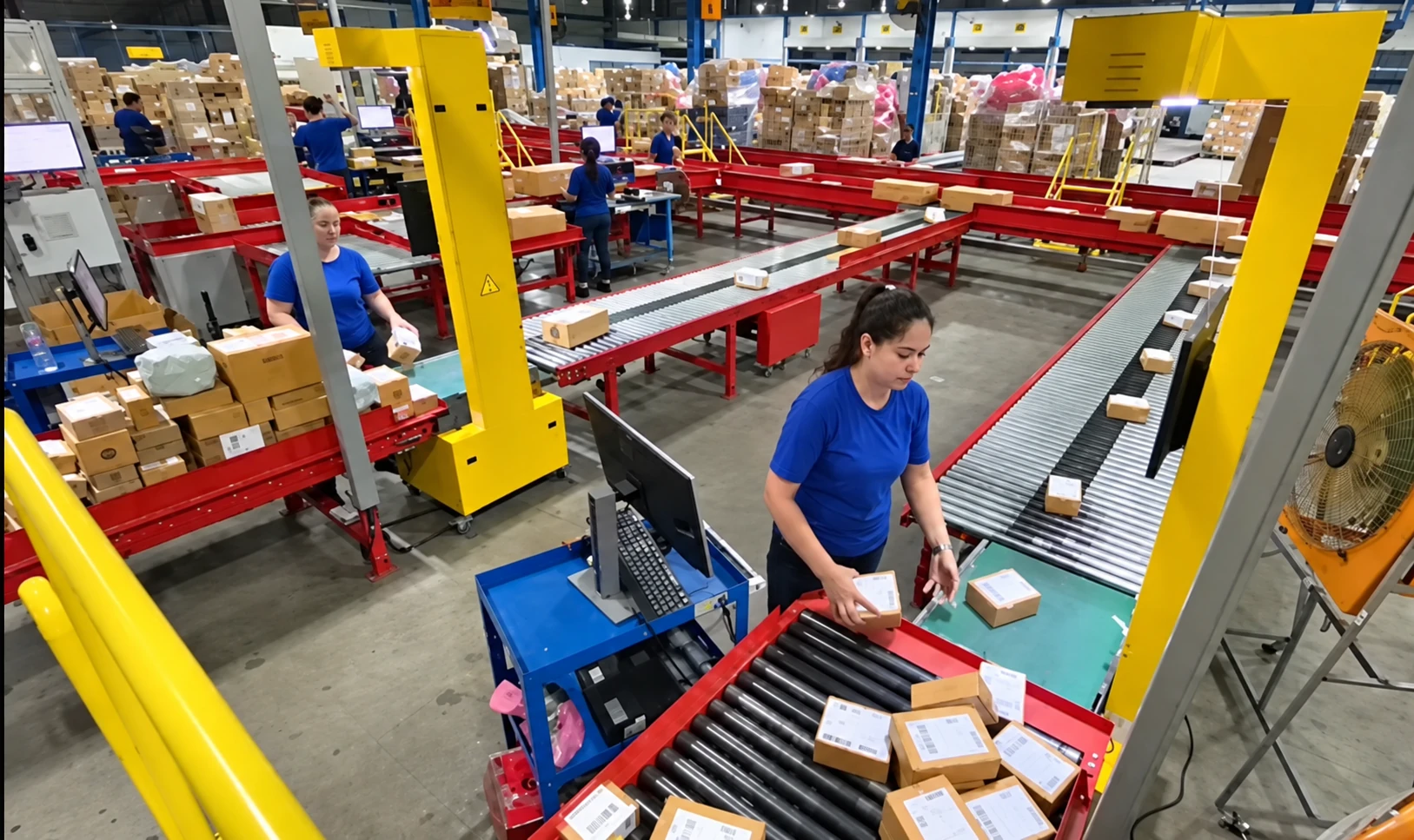
Capture parcel dimensions, weight and barcode data at induction with the PV1 DWS system. An operator-assisted workstation helps prepare parcels for downstream sorting and supports billing checks with captured measurements. Conveyor layout and system integration are configured to suit your workflow.
Explore DWS systems
Industrial handhelds for loading confirmation, route handover and exception processing. Built for repetitive scanning, device management and battery rotation across shifts.
Explore PDAs & scanners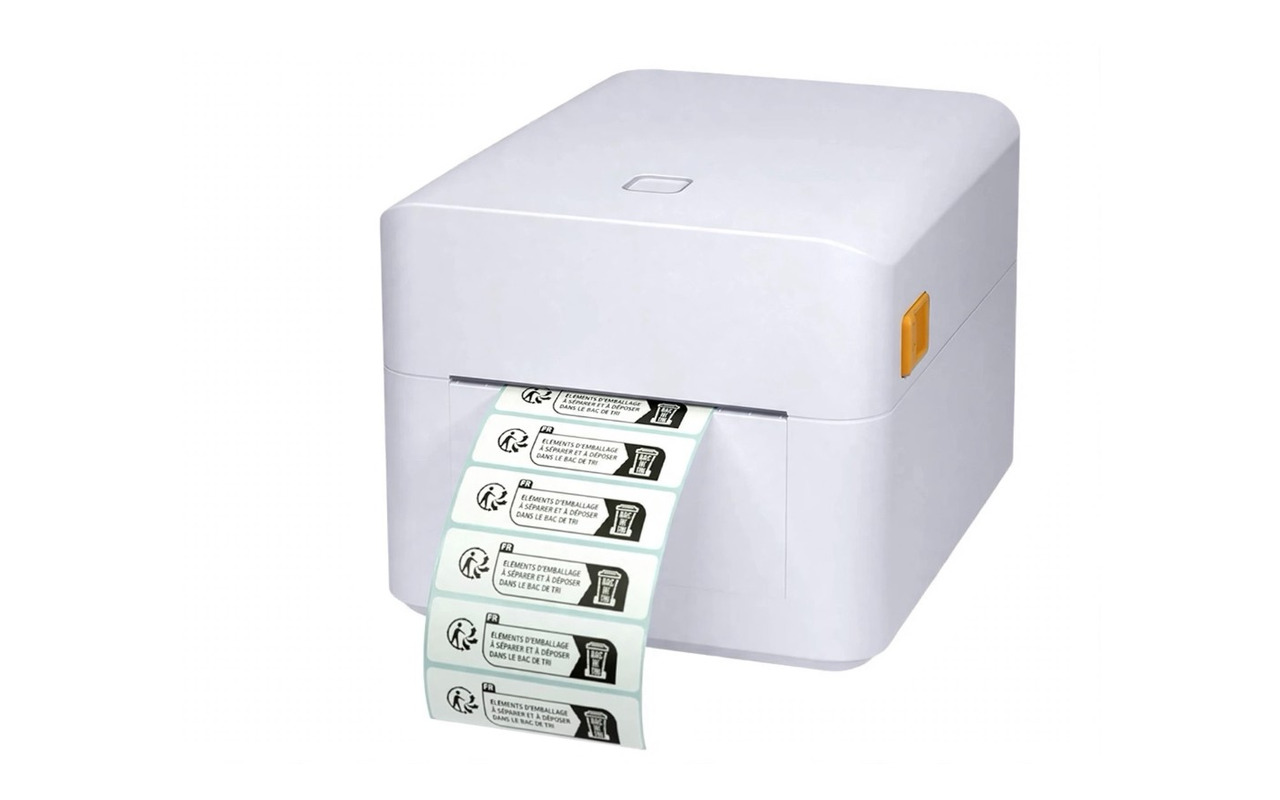
Label printers and scan stations for relabeling damaged or unreadable parcels, integrated with the sort flow so exceptions rejoin the line instead of piling up.
Explore station equipmentA hub rarely automates in one project. Many customers start with one measurable bottleneck, such as induction data capture or a single sorting line, and expand as volume grows. Sorting systems connect to WMS, ERP and courier systems through configurable integration, subject to project requirements. We review your site drawings and parcel profile before proposing a layout.
When you contact NetRay, it helps to share daily parcel volume, peak-hour volume, parcel size mix, number of routes/chutes, available floor space, current manual sorting method and your existing WMS or courier system.
The thumbnail is loaded from YouTube. The YouTube player loads when you press play. If it will not play here, open the video on YouTube.
Share daily parcel volume, peak-hour volume, parcel size mix, number of routes/chutes, available floor space, current manual sorting method and existing WMS/courier system. NetRay will recommend a sorting configuration with no obligation.